In a landmark partnership, ENGIE and CapitaLand Investment are redefining sustainable cooling for Singapore’s dense urban environment. Kong Nee Yeo, Managing Director at ENGIE Services discusses Cooling-as-a-Service (CaaS) systems and how energy efficiency, business continuity, and long-term decarbonisation goals can converge to reducing energy use and cutting carbon emissions over 15 years.
Cooling accounts for up to 50 percent of energy consumption in commercial buildings across Singapore, making it a key target for decarbonisation in the city-state’s Green Plan 2030. But while District Cooling Systems (DCS) offer high-efficiency solutions, retrofitting them into brownfield developments remains a complex challenge. Faced with underground infrastructure constraints, tenant coordination hurdles, and regulatory pressures, building owners need viable, scalable alternatives that balance sustainability goals with operational resilience.
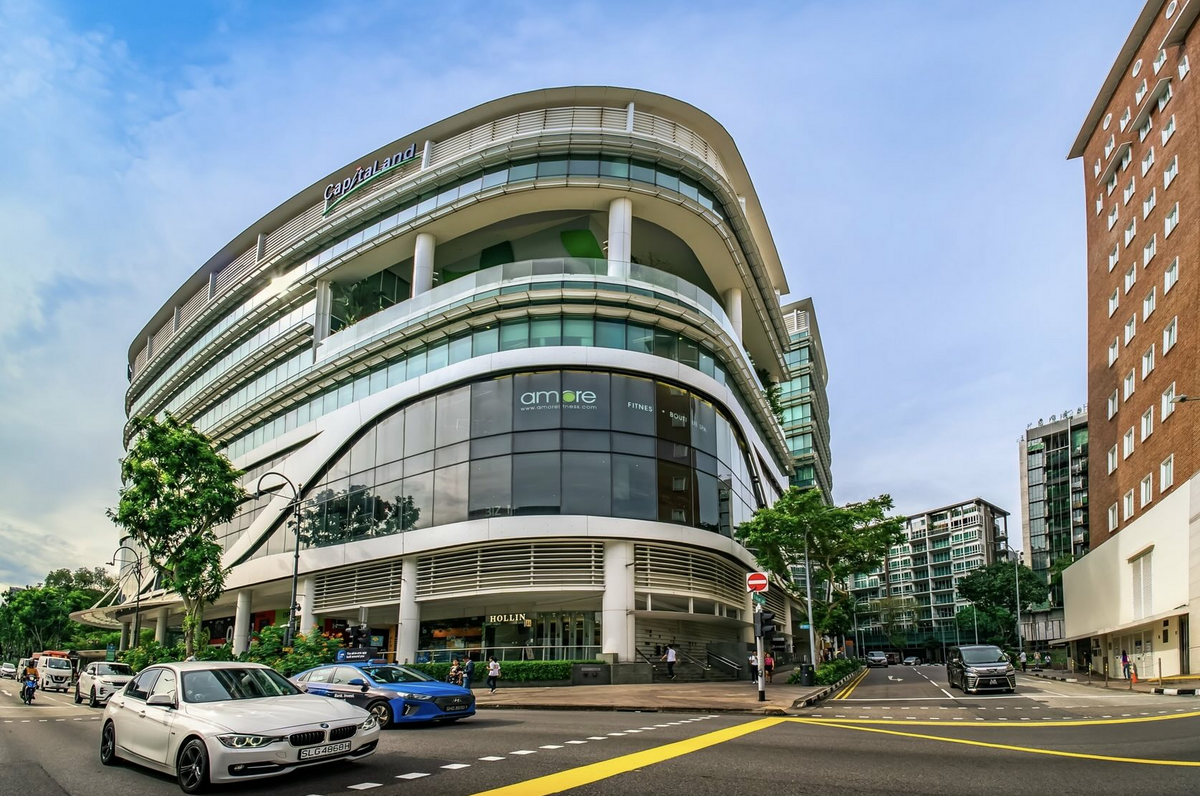
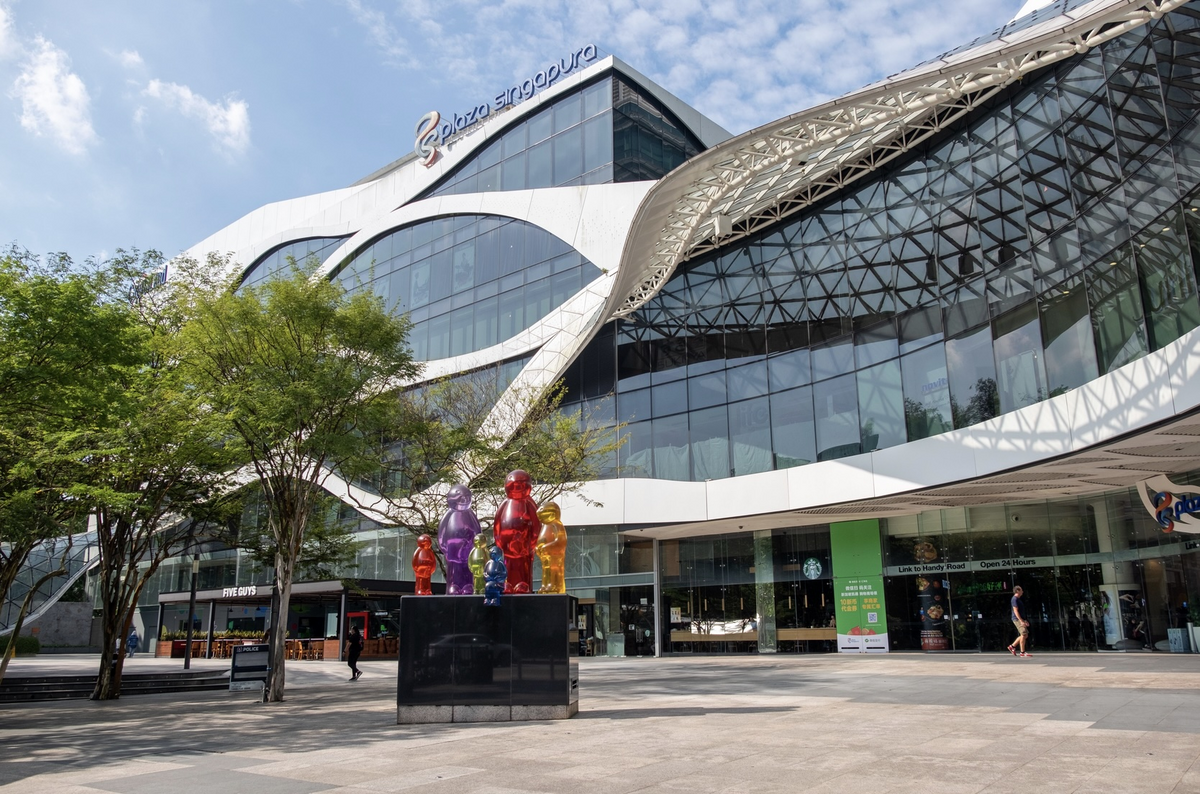
Enter ENGIE’s Cooling-as-a-Service (CaaS) model, a forward-looking approach that shifts cooling infrastructure from capital expense to a performance-based service. Through a landmark collaboration with CapitaLand Investment (CLI), ENGIE is implementing CaaS across 1.35 million square feet of prime real estate, including Plaza Singapura and The Atrium@Orchard. The initiative not only advances energy performance and Green Mark certifications but also sets a benchmark for other urban centres in Southeast Asia seeking to decarbonise their legacy infrastructure.

Building Review Journal (BRJ): What are the most significant challenges in retrofitting District Cooling Systems (DCS) into brownfield developments in Singapore?
Kong Nee Yeo (KNY): The most significant challenges in retrofitting District Cooling Systems (DCS) into brownfield developments in Singapore include design and infrastructure constraints as well as acceptance by different offtakers.
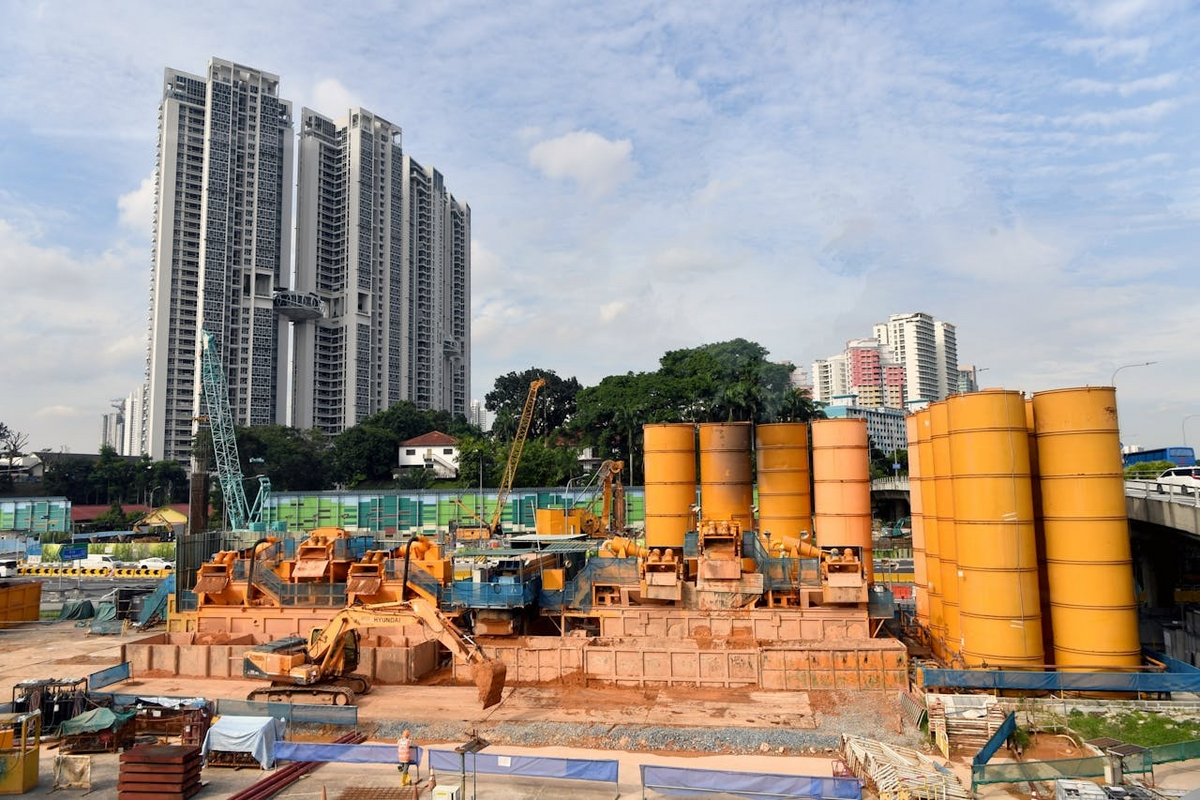
Under design and infrastructure constraints, inefficient spatial planning is a major issue. Chiller plants must be planned around existing buildings and assets, which may not result in efficient design configurations compared to greenfield developments, where optimal placement is possible from the start. Additionally, limited underground space poses a challenge. Brownfield sites have existing underground infrastructure such as water pipes, power lines, telecommunication cables, and sewage systems that could leave limited space for new DCS.
Furthermore, the cost and time to carry out underground services detection can be costly and time consuming. Another challenge is retrofitting existing systems, as the need to integrate new district cooling infrastructure with existing individual air conditioning systems and building mechanical systems adds technical complexity and potential disruption to ongoing operations.
Regarding acceptance by different offtakers, higher coordination requirements arise. Unlike greenfield developments where DCS can be planned alongside new construction, brownfield projects require extensive coordination with existing building operations, tenants, and maintenance schedules to minimise disruptions.
BRJ: From your experience, what types of developments are best suited for brownfield DCS, and how does the CaaS model help overcome the financial and operational challenges typically associated with such projects?
KNY: It has to be evaluated based on a case to case basis as many variables affect the technical and financial viability of a brownfield DCS project and has to be evaluated based on a cost-benefit basis (i.e. – cost of running extensive piping vs reduction of installed capacities by consolidating load, diversification of cooling load that helps reduce the installed capacities, GFA savings that could be monetised depending on location and many others).
BRJ: How can infrastructure constraints in dense urban environments influence an organisation to pursue energy efficiency for their properties?
KNY: One key factor is the presence of dense underground utilities. Existing dense underground utilities surrounding brownfield commercial developments present higher risks of damaging existing services such as water, electrical, telecom, drainage, and MRT tunnels. Excavation for open cut or shaft construction to make way for pipeworks will be very challenging under such circumstances, as excavation may affect nearby building foundations, especially older structures or underground MRT lines. The increased complexity in execution would translate to higher operating costs.
Another major consideration is regulatory and compliance restrictions. Prior consultations with regulatory authorities are necessary to establish the regulatory requirements and strict guidelines, especially in dense urban settings where high traffic volume is expected among commercial developments, and extended hours of road closure or diversion may cause significant disruption to the commercial towers. Extensive/lengthy approval processes with the government bodies may deter the entire project development process with Building owners, which may be time critical especially for developments that are due for certifications renewal (eg. BCA Greenmark Certification).
Sustainability goals often require long-term collaboration and commitment. Can you elaborate on how ENGIE builds long-term partnership with clients through an as-a-service model, and how this approach supports stakeholder alignment across different properties?
As a global leader in low-carbon solutions, ENGIE helps clients achieve their sustainability targets through reducing energy consumption and increasing use of renewable energy. ENGIE is providing Cooling-as-a-Service (CaaS), an innovative, energy-efficient cooling solution that optimises energy usage and reduces operational costs. This approach provides an alternative to traditional, capital-intensive cooling infrastructure by offering greater flexibility and scalability.
The pay-per-use model of CaaS offers cost predictability and reduces the need for large upfront capital investment, supporting the long-term management of real estate assets. This long-term contract duration reflects a shared intent to work together over the long term, allowing for ongoing improvement and adaptation to evolving sustainability standards.
BRJ: How do you ensure business continuity during the transition from traditional systems to Cooling-as-a-Service (CaaS) models in live commercial buildings?
KNY: Replacement works for such critical cooling assets are typically phased out according to the building’s existing load conditions to ensure there are no disruptions to the operations of the building. Operational resilience is one of the critical considerations as part of our CaaS offering where there will always be sufficient redundancy catered during system switchover.
Any major works affecting operations will only be performed after mall operating hours, with the provision of backup cooling systems wherever necessary to maintain adequate cooling. Engagements with the relevant stakeholders (i.e the Operations/Facilities Management teams of the Building Owner) are also closely maintained throughout the transition period to ensure timely updates with full transparency on the replacement works progress.
BRJ: In developments where DCS isn’t feasible, what alternative high-efficiency solutions are proving most effective in the Singapore context?
KNY: Energy efficiency improvements via on-site cooling solutions could be adopted as for the case of Plaza Singapura and The Atrium Orchard to harness the best efficiencies. Smart building technologies – such as IoT-enabled energy monitoring – also help to further enhance energy performance.
BRJ: Can you elaborate on how centralised control systems are being used to optimise cooling performance in individual buildings?
KNY: ENGIE optimises cooling performance in individual buildings through its Smart Operations & Maintenance (Smart O&M) platform. At the heart of this approach is a sophisticated Building Management System (BMS) enhanced with IoT sensors, which collect granular, high-frequency data – ranging from every 1 to 15 minutes depending on the project’s criticality. This continuous stream of data enables ENGIE to build detailed asset health scores and a consistency index that reflect how efficiently each cooling asset is performing.
BRJ: What role does demand-side optimisation play in achieving better energy efficiency outcomes, and how is it implemented practically in commercial portfolios?
KNY: Demand-side optimisation is critical in driving energy efficiency by managing and reducing energy consumption by aligning cooling output with actual demand, rather than relying on fixed parameters. Such strategies ensure that the chilled water system and its associated equipment operates within optimal efficiency ranges.
BRJ: How do CaaS models differ from traditional cooling infrastructure ownership, and what makes them attractive for landlords and operators?
KNY: Under the Cooling-as-a-Service (CaaS) model, service providers such as ENGIE are fully responsible for the design, build, operations, maintenance, repairs, and upgrades of the cooling system. In contrast, under the traditional model, building owners typically invest upfront to purchase and maintain the cooling infrastructure themselves.
In terms of the payment model, CaaS operates on a utilisation basis, essentially a subscription model where payment is tied to the amount of cooling consumed. There is lower or no upfront cost. The business model is customised to suit business requirements, with a fixed budget over the contract tenure, while vendors are required to provide an energy performance guarantee throughout the contract duration. On the other hand, the traditional model requires owners to incur large upfront capital expenditure (CAPEX) and ongoing operating and maintenance costs, regardless of usage levels. Such large upfront capital could otherwise be channelled to their core businesses.
For performance guarantees, CaaS contracts are performance-guaranteed over a 15-year period in this partnership. ENGIE is accountable for system efficiency and must ensure ongoing upgrades and optimal performance. In comparison, the traditional model does not offer an external performance guarantee unless separate service agreements are in place.
From a capital and cost efficiency standpoint, the CaaS model allows for capital- and cost-efficient infrastructure upgrades with less upfront investments, aligning well with both sustainability and operational goals.
In terms of environmental impact, ENGIE’s CaaS implementation at The Atrium@Orchard and Plaza Singapura achieves efficiency , targeting BCA Green Mark 2021 Platinum Super Low Energy (SLE) certification. It avoids 42,000 tonnes of CO₂ over 15 years. Finally, bundled services under CaaS contracts include Green Mark consultancy and renewal services, streamlining efforts toward achieving and maintaining sustainability certifications.
BRJ: Are there any lessons from CaaS deployment that could inform broader urban sustainability strategies in Southeast Asia?
KNY: CaaS reduces the need for large upfront investment by shifting costs to operational expenditure, making it easier for building owners and developers to adopt sustainable cooling solutions. This model could be replicated in other urban infrastructure projects (e.g., renewable energy or water treatment) to lower barriers to sustainable development.
CaaS also promotes performance-based, scalable systems. Providers like ENGIE are incentivised to deliver optimal energy efficiency as they are responsible for the system’s design, installation, maintenance, and long-term performance. This service-based approach encourages accountability and can be extended to wider city infrastructure to uphold high standards of efficiency.
CaaS also supports both new (greenfield) and existing (brownfield) developments. It offers a roadmap for upgrading ageing infrastructure without disruption, which is vital for Southeast Asian cities balancing rapid urbanisation with the need to decarbonise legacy systems.
In addition, CaaS plays a role in urban heat island mitigation. Centralised, efficient cooling systems, like those deployed through CaaS, can reduce the urban heat island effect. Incorporating such systems in master planning could significantly improve urban liveability as temperatures rise in the region.
In terms of resource efficiency and emissions reduction, demonstrated results in projects like the Northgate Alabang industrial park in the Philippines show reductions of up to 35 percent in electricity use and 50 percent in CO₂ emissions, demonstrating that CaaS can deliver tangible environmental benefits. These outcomes highlight the importance of targeting energy-intensive sectors for sustainability efforts.
Finally, CaaS can help encourage ESG alignment in real estate. With increasing demand for green-certified buildings, CaaS supports compliance with regulations and standards like Malaysia’s Green Building Index or the Philippine Green Building Code. It also increases asset value and attractiveness to ESG-conscious tenants, a principle that can guide sustainable real estate strategies across the region.
BRJ: What innovations or technologies are helping to bridge the gap between Green Mark Platinum and Super Low Energy (SLE) status?
KNY: Cloud-based analytics provide real-time visibility on assets’ performance, enabling predictive maintenance, condition-based maintenance and energy management tracking. State-of-art technologies are also used to enhance operational efficiencies of cooling assets such as Phase Change Material (PCM) and Nanofluid coolant.
BRJ: How are data analytics and continuous commissioning practices evolving to support ongoing performance improvement in already-efficient assets?
KNY: ENGIE’s Centralised Operating Command Centre (OCC) allows for 24/7 remote monitoring support across a portfolio of assets, further enhancing operational resilience and asset performance. In addition, ENGIE has developed an in-house digital twin that continuously monitors and stores historical equipment data which allows for predictive and condition-based maintenance. This helps to minimise the risks of sudden equipment failure and hence improves operational resilience
Backed by extensive experience in operating and maintaining cooling assets — both onsite and through district cooling systems — ENGIE also possesses the technical expertise to implement continual system upgrades using state-of-the-art technologies to further enhance system efficiency and resiliency.
BRJ: What makes the ENGIE collaboration with CLI unique in terms of scale, ambition, or execution?
KNY: There is close collaboration between all parties involved to ensure business as usual for tenants throughout the process. This partnership sets a new standard for cooling in mixed-use developments, such as retail and office spaces, by aiming to achieve the Platinum Super Low Energy (SLE) certification. Specifically, The Atrium@Orchard is upgrading from Green Mark Gold to Green Mark Platinum (SLE), while Plaza Singapura is expected to improve its rating from Green Mark GoldPLUS to Green Mark Platinum4. The collaboration also results in a total carbon reduction of 42,000 tonnes of CO₂ avoided over 15 years.
BRJ: Looking forward, how do you envision this partnership expanding to meet Singapore’s Green Plan 2030 targets and regional sustainability goals?
KNY: ENGIE’s technical expertise and experience from past projects contribute to shared learnings that help inform future energy and sustainability initiatives. Beyond cooling, ENGIE offers a suite of energy and sustainability services that may be relevant to broader operational needs, alongside other potential partners and approaches being explored.