By joining forces with Icarbon’s cutting-edge testing platform, PACCO Architectural Films is elevating the role of window films in sustainable architecture.
In an era where sustainability is no longer just a buzzword but a critical driver of design and construction, PACCO Architectural Films has moved beyond the traditional role of a window films provider. By signing a strategic Memorandum of Understanding (MOU) with Icarbon, PACCO is transforming how architects, building managers, and property owners assess energy efficiency in buildings.
No longer confined to static specifications or theoretical benefits, PACCO’s partnership with Icarbon brings data-driven validation to the table. This is helping clients make informed decisions on energy savings, thermal comfort, and more.
While PACCO has long been recognised for offering high-quality, energy-efficient window films, this collaboration with Icarbon allows them to provide more than just a product. They now offer an end-to-end solution that includes live data, real-time energy savings insights, and performance metrics, all delivered through a dynamic testing platform. In short, PACCO is proving that good design is not only about aesthetics but also about measurable, actionable sustainability.

The Power of Data-Driven Transparency
For PACCO, the integration of Icarbon’s testing platform represents a significant leap forward in the way they measure and communicate the energy performance of their window films. Historically, window films have been assessed through lab-based specifications, which, while helpful, often fail to convey the real-world impact of the product.
“By partnering with Icarbon, we are now able to show customers the true measurable and live effects of installing our window films,” says Chris Lim, co-founder of PACCO Architectural Films.
“Rather than showing customers the specifications only done in labs, we can show the live effect of the films that they have on their premises.”
This shift from theoretical to tangible benefits marks a turning point in an industry that has long struggled to demonstrate the real value of window films. With the help of Icarbon’s platform, PACCO can now measure critical performance metrics, such as temperature, humidity, and glare, in real-time. These metrics not only enhance the company’s sustainability claims but also offer a clear picture of the energy savings and comfort improvements that their films deliver.
A More Accurate Measure of Performance
Icarbon’s platform provides a wealth of data, but what exactly does it measure? According to Lim, the system can track a variety of metrics that are crucial for assessing the efficacy of PACCO’s films.
“It can measure the temperatures, humidity, glare that is present in each individual room,” he explains. “These metrics further enhance our on-paper specifications that it reduces, let’s say, 69 percent of heat. Customers can now see the degree reduction in temperatures and thus the cooling costs.”
This level of precision gives building owners and architects a more detailed understanding of how PACCO’s films will perform in specific environments, allowing them to make more targeted decisions. It also ensures that PACCO’s sustainability claims are not just theoretical but backed by verifiable data.
Turning Theory into Reality
So, how does the testing process work? Lim outlines the steps involved in using Icarbon’s platform to gather data on PACCO’s window films.
“We will first need to confirm and set the correct areas to test, preferably an area where there is intense sun heat coming in,” he says. “After determining the area, we will recommend a suitable film and proceed to set up the experiment. Our films will be installed, sensors and data loggers will be placed in the area, and we will collate data for about one to two weeks –or more if needed.”
The testing process is thorough, ensuring that all data gathered reflects real-world conditions. “During the testing, live data and results can be seen on Icarbon’s platform,” Lim continues.
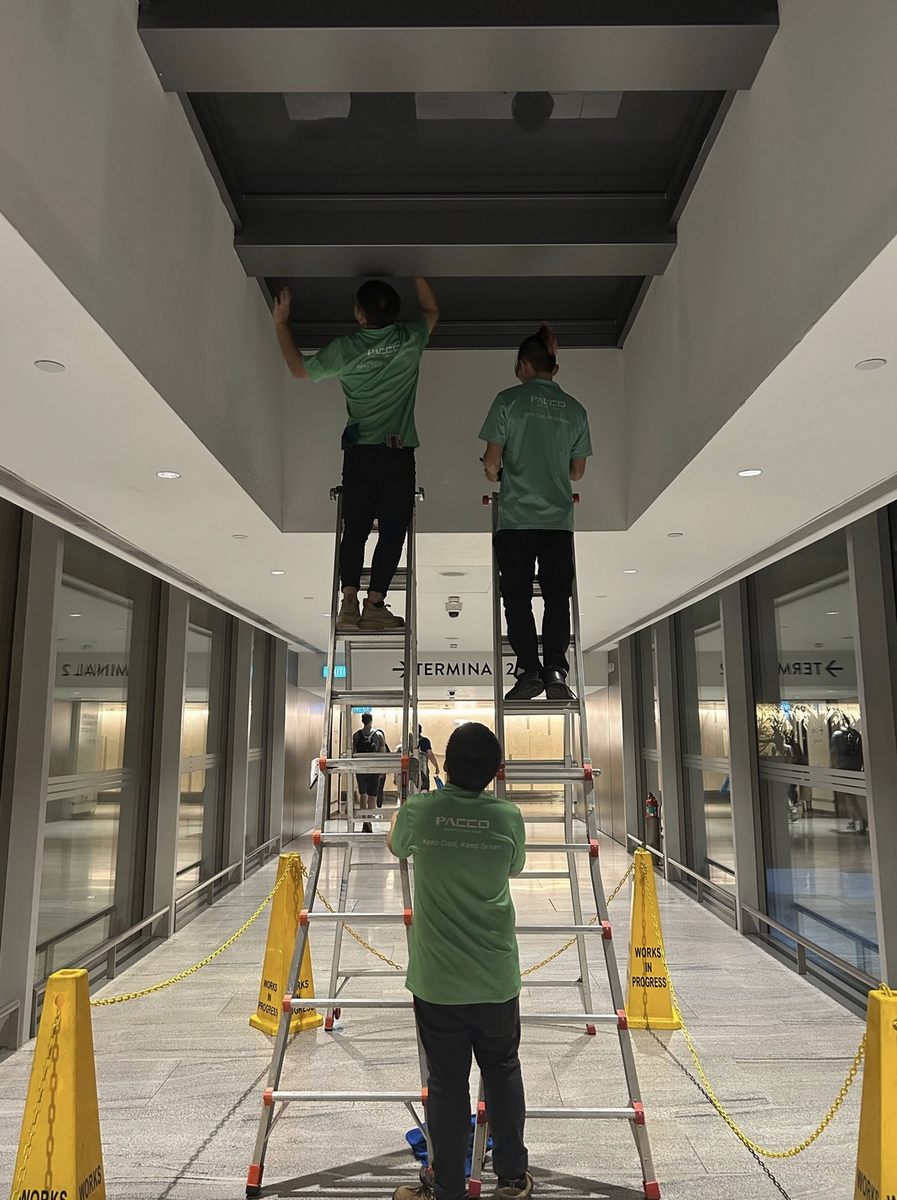
“You can see and compare the difference in performances of areas with films and without films. The temperature difference will be the most obvious, and we can compare over a period the temperature reduction and also do an energy savings calculation based on it.”
This live, real-time feedback provides a level of transparency that has previously been absent in the window film industry, allowing both PACCO and their clients to track performance as it unfolds. For architects and building managers, this data offers invaluable insights that can guide decisions on whether to implement window films across an entire project or just in specific areas.
Empowering Architects and Building Managers
The data collected through Icarbon’s platform is more than just a marketing tool for PACCO. It is a vital resource for architects and building managers who are making critical decisions about building design and energy efficiency.
“With data retrieved during the experiment, the user can determine if it is worth it to install for the whole project, or even just for certain areas,” Lim explains. “They can also present it into a report that is easy to read and official for key decision makers to see and decide. These reports can even be used for submission for any application for energy savings certifications or bank credit.”
This ability to present clear, data-backed reports is an important step towards encouraging the adoption of sustainable technologies. The data can be used to substantiate energy-saving claims, making it easier for building owners and developers to secure green building certifications and financing.
More Than Just Energy Savings
While energy savings are often the primary focus of sustainability efforts, PACCO’s films provide a range of additional benefits that are supported by data. These include improvements in thermal comfort, glare reduction, and even asset protection. “Sensors show improved occupant comfort and visual clarity, reducing the need for artificial lighting and boosting productivity,” Lim notes.
Additionally, the films provide significant protection for building interiors. “UV-blocking data reveals significant reductions in interior fading and degradation of furnishings, which lowers replacement frequency and waste,” he explains. These operational efficiencies extend to facilities management as well. “Performance data allows facilities teams to optimise maintenance schedules and monitor film performance over time, ensuring consistent benefits.”
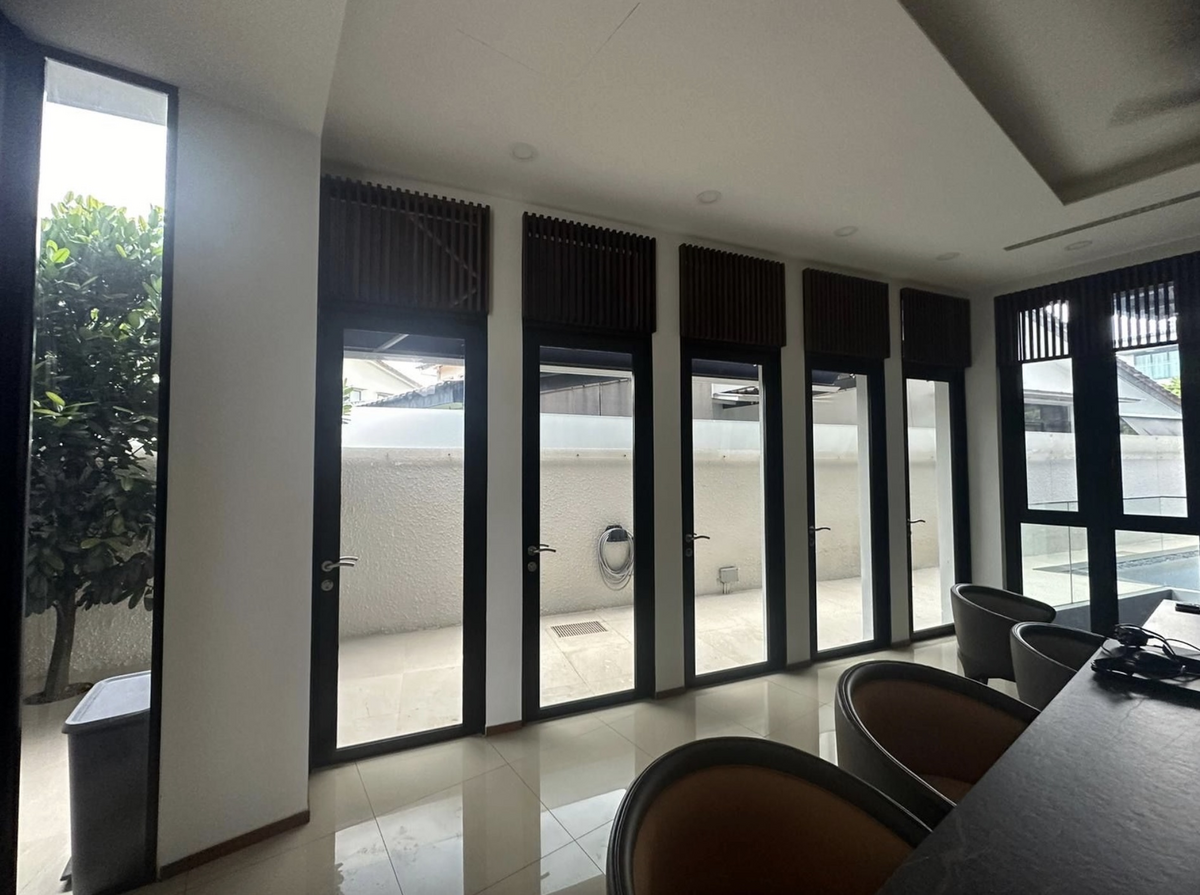
A Real-World Impact
PACCO’s partnership with Icarbon is not just about theoretical benefits. It has already shown real-world results. “There were many projects that required us to show the temperature difference after installing our films as compared to without, or even with other competitors,” Lim shares.
“Projects include hospitals, schools, and government buildings where experiments showed that with our films, temperatures are reduced up to 7 degrees Celsius.”
The impact of these reductions goes far beyond just energy savings. “This not only showed the real effect in terms of reducing heat / savings on aircon bills,” Lim says, “it also increased the intangible effect of increased comfort and mood of the occupants.” These benefits, while harder to quantify, are crucial to the overall success of a building’s design and operation.
The Future of Architecture
Looking ahead, Lim sees the role of data and analytics in sustainable architecture continuing to evolve.
“Over the next 5 to 10 years, data and analytics will become central to sustainable architecture, shifting from static design assumptions to dynamic, evidence-based performance,” he predicts.
“For window films specifically, analytics will allow us to measure real-world outcomes like solar heat gain reduction, glare control, and energy savings, rather than relying only on simulation data.”
He also envisions a future where smart building systems and IoT sensors enable façades to dynamically respond to environmental conditions in real time.
“With IoT sensors and smart building systems, façades will increasingly ‘communicate’ by adapting to sunlight, occupancy, and temperature in real time,” Lim says.
Transparency and Accountability
In a world where data is king, transparency is key. PACCO ensures that the data collected through Icarbon’s platform is not only accurate but also independently verified.
“Wherever possible, our performance data is validated through third-party testing, accredited laboratories, or partnerships with recognised green building bodies,” Lim says.
This independent verification adds an extra layer of credibility to PACCO’s sustainability claims. Furthermore, PACCO uses internationally recognised metrics and consistent sensor calibration to ensure data accuracy. “Stakeholders have access to clear dashboards and reports showing both baseline (pre-installation) and post-installation data,” Lim adds. This openness allows clients to independently verify the results and trust the findings.
A New Era for Sustainable Architecture
PACCO’s partnership with Icarbon marks a turning point in the way window films are perceived and utilised in sustainable architecture. By combining high-performance films with real-time, verifiable data, PACCO is helping to transform the building sector’s approach to energy efficiency.
As data-driven solutions continue to gain traction, PACCO’s innovative approach provides a glimpse into the future of sustainable design –one where performance is measured, verified, and trusted.
“Data-driven sustainability isn’t just about technology; it’s about creating a culture of accountability and continuous improvement,” Lim advises.