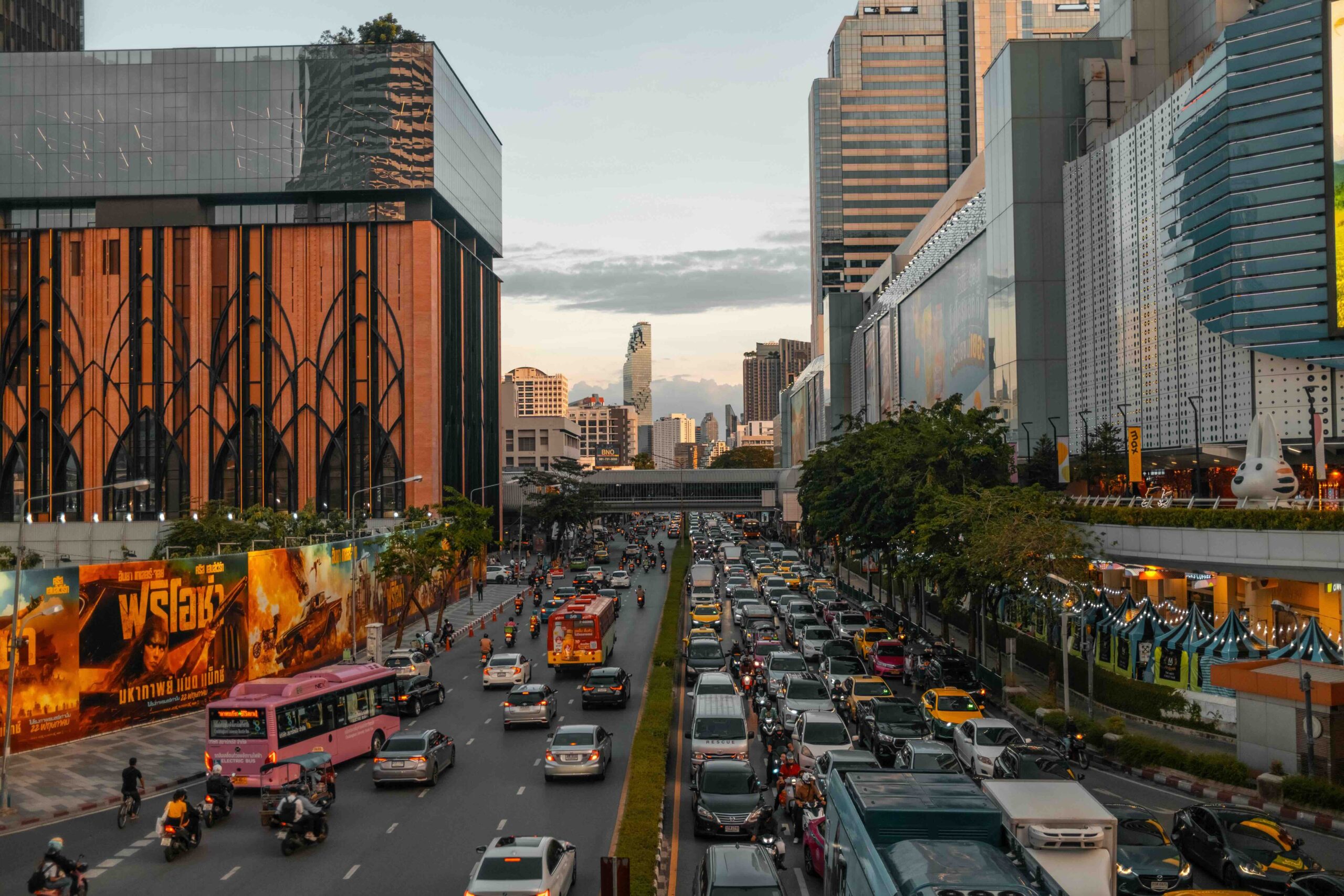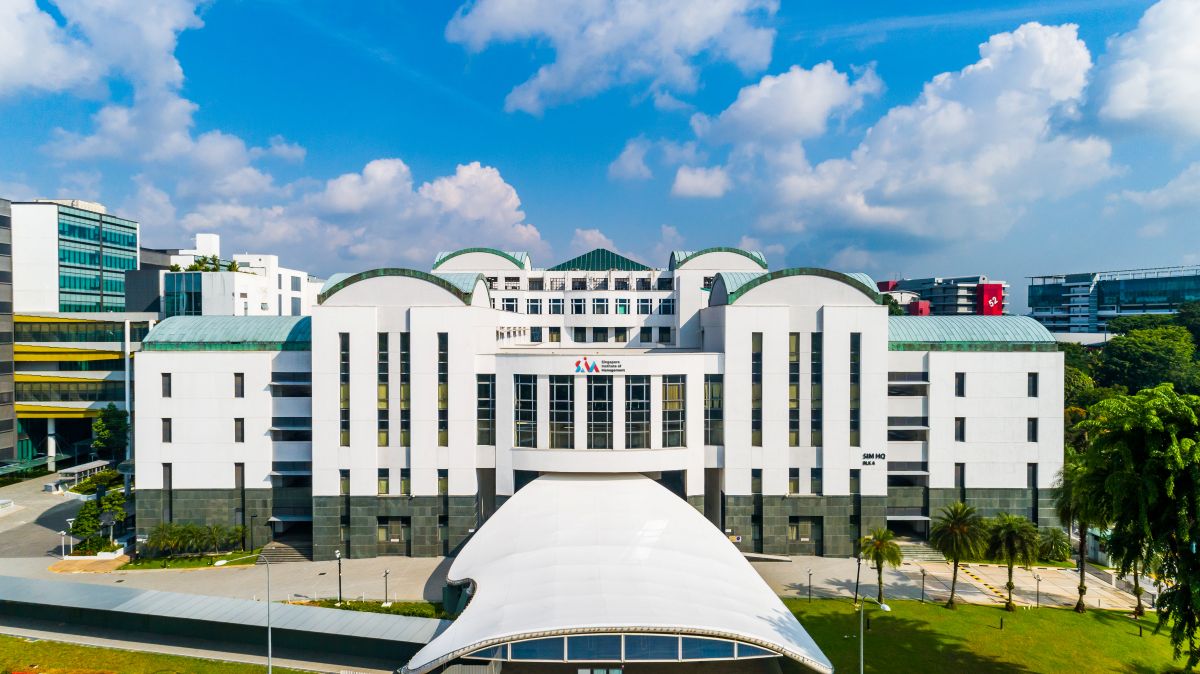
As operational emissions fall and redevelopment cycles quicken, embodied carbon is emerging as the built environment’s most stubborn climate challenge. Ng Kah Seng, R&D and Sustainability Director, Saint-Gobain, argues that only a whole-life approach can prevent Singapore from locking decades of carbon into the city before the first light switch is even turned on.
Singapore has set ambitious climate targets to reduce national emissions to 45–50 MtCO2e by 2035 and achieve net‑zero emissions by 2050. As the construction sector is projected to grow at over 5 percent annually through 2030, how we design and build today will play a decisive role in whether these national goals are met.
The country is widely regarded as Asia’s success story of modern urbanisation, renowned for its meticulously planned, innovative and sustainability-focused development model. In this highly urbanised city-state, buildings account for over 20 percent of the country’s total carbon emissions.
The recently launched Built Environment Decarbonisation Technology Roadmap, jointly developed by the Building and Construction Authority (BCA) and Singapore Green Building Council (SGBC), with support from Agency for Science, Technology and Research (A*STAR), emphasises the importance of adopting a ‘whole-life carbon’ approach, addressing the total emissions produced over a building’s lifecycle, which includes both operational and embodied carbon emissions.
Across typical building lifecycles, a common rule of thumb is roughly 30 percent embodied versus 70 percent operational emissions. But Singapore is not a ‘typical lifecycle’ market. In a city shaped by urban renewal and revitalisation, building replacement and upgrade cycles can be shorter and this changes the carbon equation significantly.
Data from the Singapore Green Building Council (SGBC) shows that embodied carbon emissions of buildings in Singapore can represent up to 40 percent of a building’s total lifecycle carbon emissions. While operational carbon emissions – including cooling, lighting, lifts and receptacle loads – can be addressed through efficiencies and improvements throughout the building’s lifetime, embedded carbon is committed upfront and is irreversibly spent, with no option to reclaim carbon savings.
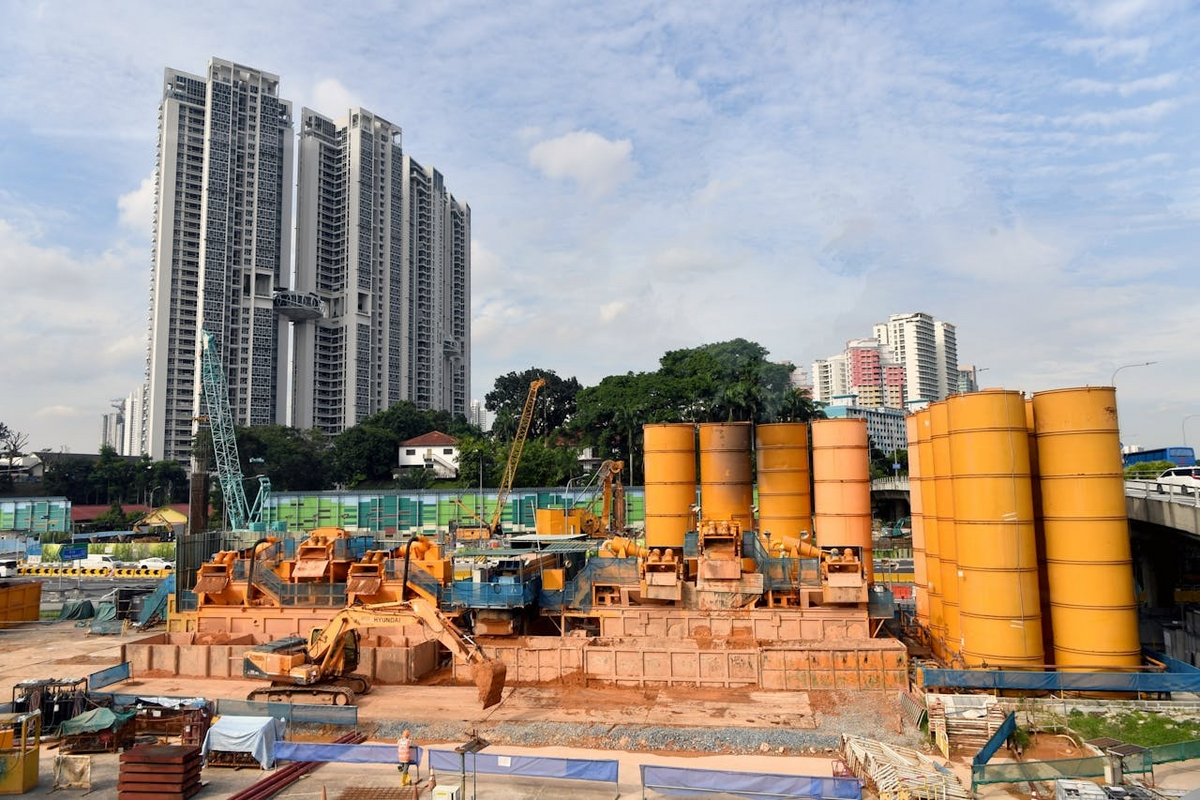
As Singapore continues to make strong progress in reducing operational carbon due to increasing energy efficiency, embodied carbon only stands to grow in proportion to a building’s total carbon emissions. The important question facing key stakeholders in the built environment is no longer whether embodied carbon matters, but how it can be meaningfully reduced as Singapore accelerates towards a low‑carbon future.
Why Low-carbon Building Materials Matter More Than Ever
Embodied carbon emissions are released throughout the manufacturing, transport, construction, maintenance, and disposal of building materials stages of construction. Of these, the largest source of embodied carbon emissions is typically from the manufacturing of building materials, driven by the use of high-temperature heat, fossil fuels, and chemical reactions.
The best low-carbon materials deliver ‘cradle-to-gate’ embodied carbon wins by targeting the major contributors – this involves the deployment of lower-emission chemistry or process routes, the use of innovative or alternative raw materials that deliver equal or improved quality and performance, and the adoption of cleaner energy in the manufacturing process.
For example, concrete accounts for roughly 8 percent of global carbon dioxide (CO2) emissions and its widespread use in construction offers one of the largest opportunities for embodied carbon emission reduction. Advances in admixture and mix-optimisation technologies now make it possible to achieve lower carbon footprints by increasing the proportion of supplementary cementitious materials (SCMs), which involves the increased use of recycled material and reduced cementitious content, all while maintaining material performance – workability, strength and durability.
In recent projects in Singapore, we’ve developed a special concrete formulation by optimising the mix design with the application of advanced admixture and mix‑optimisation technologies, which has delivered a 38 percent reduction in overall carbon emissions, demonstrating how precise control of binder efficiency, optimisation and SCM substitution can be effective.
Material Selection Strategies Are Key
Low-carbon material selection goes beyond merely choosing “green” products – it is a deeply analytical process that requires a holistic, lifecycle-oriented approach. Apart from Environmental Product Declarations (EPD), material selection must also consider factors such as functionality, performance, strength, durability, certification framework compliance and cost-effectiveness.
In practice, this process is grounded in three key principles: using less and building lighter, incorporating reuse and adaptive reuse, and considering regeneration, reuse and renewability of low-carbon material itself.
Building less and lighter begins at the drawing board. Lightweight systems and material‑efficient designs inherently reduce embodied carbon by lowering overall material demand, while leaner structural designs minimise over-specification. While it may not seem apparent, design decisions made early, such as grid choice optimisation and loadings, can provide opportunities for better concrete specification, implementation of low-carbon substitutes and overall reduction in material quantity.
Since embodied carbon is committed upfront, keeping what exists can be one of the biggest carbon-emission savers. Where possible, incorporating reuse and adaptively reusing materials can deliver between 50 percent to 75 percent of carbon reduction compared to new construction. Retaining existing structural elements such as foundations, walls or concrete frames negates the need for new materials and can therefore reduce emissions incurred from its production process.
When selecting low-carbon material, regeneration, reuse and renewability of the low-carbon materials are vital aspects to consider. For example, utilising responsibly sourced mass-timber solutions that store biogenic carbon can not only reduce reliance on steel and concrete but it can also transform the building from emitter into a long-term carbon sink. Circularity is equally important in the mix, from the use of recycled-content materials to packaging, which reduces dependence on virgin resources.
Last but not least, it goes without saying that performance must never be compromised. Low-carbon materials must deliver the same standards for durability, strength and long-term reliability as their conventional counterparts, ensuring sustainability never comes at the expense of quality.
A Data-driven Approach to Materials Selection
The most effective low-carbon material selection strategies share a common trait: a data-driven, performance-based approach that prioritises verified EPDs. This ensures all material selection decisions are transparent, grounded in science-based Life Cycle Assessment data and compliant with green building standards, allowing the built environment industry to make informed decisions on material and product selections.
The approach must be anchored on frameworks that recognise lifecycle standards such as the Building and Construction Authority Green Mark’s Whole Life Carbon (WLC) assessment. By accounting for emissions across a building’s entire lifecycle, WLC assessment provides a consistent basis for compliance with national sustainability goals and helps developers and building owners future-proof against stringent environmental regulations.
Using tools such as the Singapore Building Carbon Calculator (SBCC), which draws on large EPD-backed datasets with localised factors, can go a long way in accurately quantifying carbon emissions factors based on environment-specific data. Green Mark 2021 also lists supporting tools, such as building embodied carbon calculators and WLC templates for compliance workflows.
Overall, it is crucial to employ a smart procurement strategy that prioritises avoidance and reduction, before reuse and substitution. Focusing on the “big three” materials – concrete, steel and glass – can potentially maximise results as these dominate embodied carbon emissions in most building structures and facades.
Effectively addressing embodied carbon emissions begins with integrating whole-life carbon and life cycle assessment tools early in the design phase. With this mindset primed from the start, project teams can ensure the highest potential to influence environment stewardship through architecture, material selection and building efficiency well before procurement commitments are made.
Ultimately, the golden question for project teams should be: How much carbon are we locking into our city today that our future generations will have to live with tomorrow?
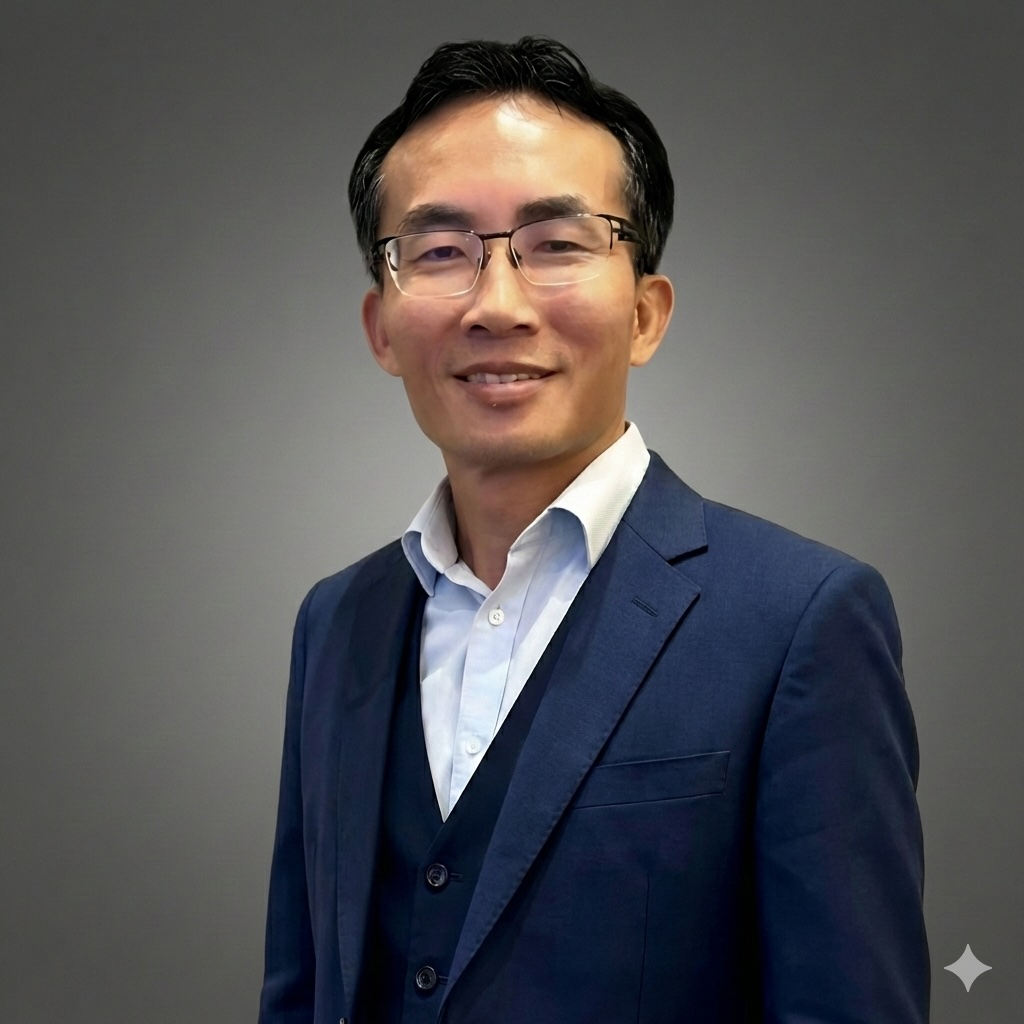
Ng Kah Seng, R&D and Sustainability Director, Saint-Gobain
With eight years of service at Saint-Gobain and 27 years of experience in key leadership roles across local and multinational organisations – including Lafarge, Hume and Malayan Cement – his work spans product development, strengthening quality assurance frameworks, delivering technical expertise, and leading initiatives that enhance production efficiency and process performance.
At Saint-Gobain, Kah Seng leads efforts in developing sustainable and low-carbon construction materials, implementing circular economy initiatives and resource-efficient processes and driving innovation-led ESG strategies to support long-term sustainable growth. He also contributes to the construction materials sector in his roles as a member of Malaysia’s national standard-writing committee for cement and concrete standards, a university advisory panellist and a technical and sustainability advocate, which supports the industry’s transition toward greener, more innovative practices.
In recent years, he has also been involved in public advocacy, delivering sustainability talks to elevate awareness and promote responsible industry practices across platforms such as universities, architectural bodies, SMEs and NGOs.