Southeast Asia’s climate-vulnerable cities need more than static digital maps to prepare for extreme weather. Felix Tan, Chief Executive Officer, Nuvola Media, makes the case for AI-powered urban intelligence that can simulate human behaviour, anticipate disruption and help cities respond before crises cascade.
Southeast Asia’s urban centres are standing at a critical climate threshold. Across the region, accelerating weather volatility is putting urban management models to an unprecedented test. In Thailand and Indonesia alone, the nations respectively climbed to 17th and 27th globally on Germanwatch’s 2026 Climate Risk Index, up from 69th and 38th previously. Yet, this vulnerability is hardly isolated. From rising sea levels and land subsidence threatening Jakarta and Bangkok to extreme heat stress and intense precipitation in Singapore, Kuala Lumpur, and Manila, the region’s hyper-dense hubs face a shared, escalating threat.
According to the World Bank, failing to adapt to climate risks could trigger a drop in national GDP – notably by up to around 14 percent in Thailand and the Philippines, and 16 percent in Malaysia. These are due to a variety of climate risk-induced pressures which include lost labour productivity, damage to primary sectors such as agriculture, and supply chain disruptions At this critical juncture, building true climate and economic resilience is no longer just about heavy civil engineering or concrete sea walls. It requires digital orchestration powered by dynamic, cross-agency data.
Making Southeast Asia’s cities, which are the region’s key growth and population centres, truly liveable demands moving beyond static architectural snapshots and forcing isolated data streams to communicate. This would enable us to simulate how human populations actually move and react under compounding environmental stress.
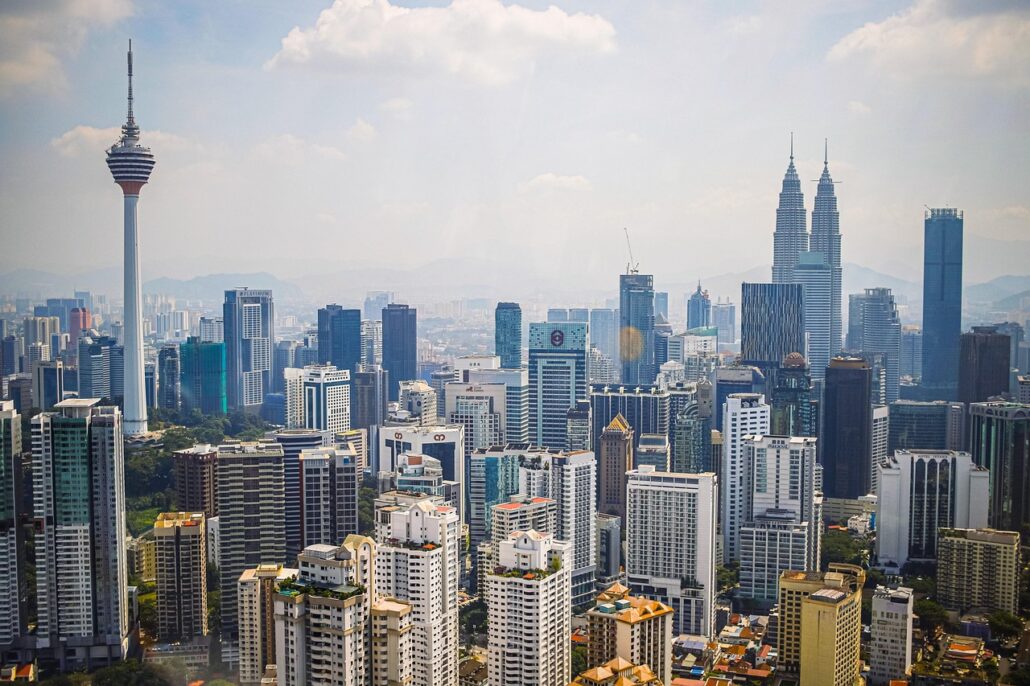
The Limits of Static Models in Representing Human Reality
Modern Southeast Asian cities, from Bangkok and Jakarta to Singapore and Kuala Lumpur, have made significant strides in adopting Geographic Information Systems (GIS) and 3D digital twins for urban planning and mapping physical infrastructure vulnerabilities. However, accelerating climate volatility reveals a profound limitation: the gap between environmental visualisation and dynamic human behaviour.
Urban planners may fall into a false sense of security by treating 3D digital twins like architectural paintings rather than living ecosystems. These dashboards excel at showing trajectories like urban heat islands or rising water tables. Yet, they are static and suffer from blind spots regarding how the population will actively flee or adapt during an emergency.
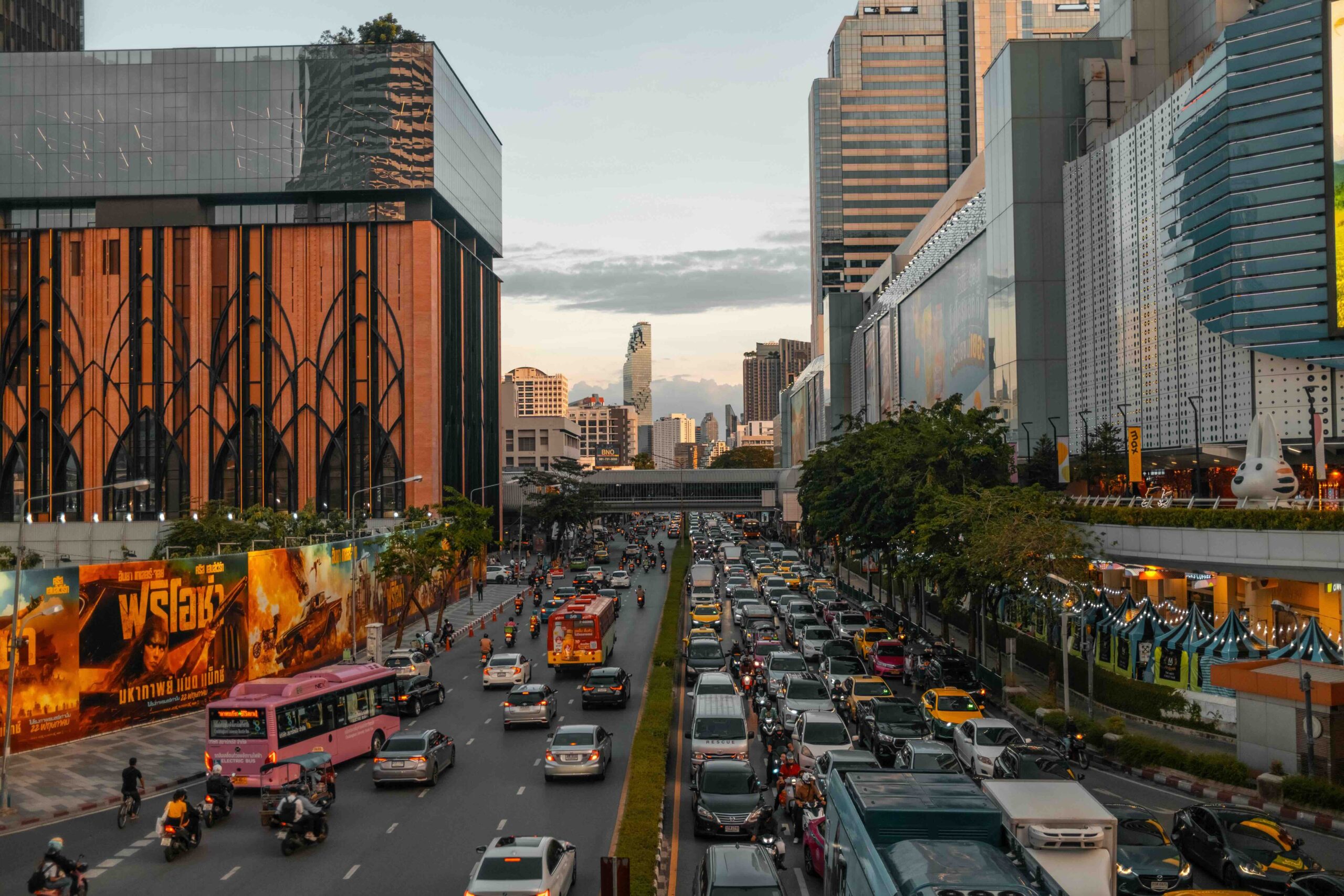
From Nuvola Media’s experience, a major threat to public safety and business continuity stems directly from fragmented operational data and isolated municipal agency infrastructure. During a crisis, navigation algorithms route hordes of panicked citizens onto the exact same safe corridors. This creates instant gridlock, paralysing emergency logistics and triggering severe operational downtime and revenue losses for local businesses.
Moreover, traditional spatial models completely ignore the severe socio-economic disparities of lower-income societal segments. These populations cannot simply avoid a climate crisis, as they rely on fragile public transport links and vulnerable supply chains. This disconnected approach leaves municipal leaders trapped in a purely reactive stance. They are left scrambling to manage logistical disasters after they have already cascaded into widespread economic paralysis.
Integrating Mobility Data with Comprehensive Forecasting
True urban resilience demands a massive transition away from passive 3D images toward active, agent-based behavioural simulations. We must aggressively dismantle corporate and municipal data silos. Doing so requires feeding real-time mobile tracking analytics, cellular grid movements, and public transport loops directly into environmental climate models. Within the context of Southeast Asia’s urban environments, this involves pivoting toward an open architectural approach known as a Synoptic Intelligence Platform (SIP).
This platform establishes a single pane of glass where private internet of things (IoT) infrastructures, cellular mobility, and transport networks plug into municipal emergency frameworks – effectively viewing the city as a whole, living ecosystem. Based on our experience, technical deployments with private property developers, heavy industrial manufacturing plants, and critical regional infrastructure have shown that uniting decentralised datasets allows operators to successfully map and eliminate operational blind spots.
By utilising predictive agentic frameworks, urban operators can pressure-test a city by running complex chaos scenarios hours or days before an extreme event hits. This evaluates exactly how resource stress ripples across, for example, the commuter network. This proactive capacity allows authorities to move away from vague, city-wide alerts that trigger mass panic. Instead, they can implement hyper-localised, intelligent interventions like dynamically rerouting traffic or positioning assets at predicted bottlenecks.
Aligning with Smart City Thrusts
In Thailand, Bangkok’s municipal government is actively working to expand its 3D digital twin frameworks into simulation layers powered by artificial intelligence (AI). Integrating these systems with real-time mobility modelling provides the exact toolset needed to decouple the capital’s chronic overlap of climate disruptions and traffic gridlock.
This strategy directly supports Thailand’s mandate for City Data Platforms. Their framework calls for breaking down deep institutional data silos so a city’s smart environment can seamlessly communicate with its smart mobility infrastructure to protect public safety. Similar initiatives in Indonesia which can benefit from these toolsets include the Jakarta Smart City project. Beyond operational safety, the financial logic for this digital evolution is sound.
Aggressive climate adaptation measures do not merely protect vulnerable urban communities; they regularly deliver massive macroeconomic returns that safeguard the broader business ecosystem, according to research by McKinsey. Targeted climate adaptation investments routinely deliver economic benefits that exceed their upfront costs by about seven times. Hence, transitioning from passive observation to active simulation is an economic imperative that ensures Southeast Asian cities remain resilient, highly competitive global hubs.
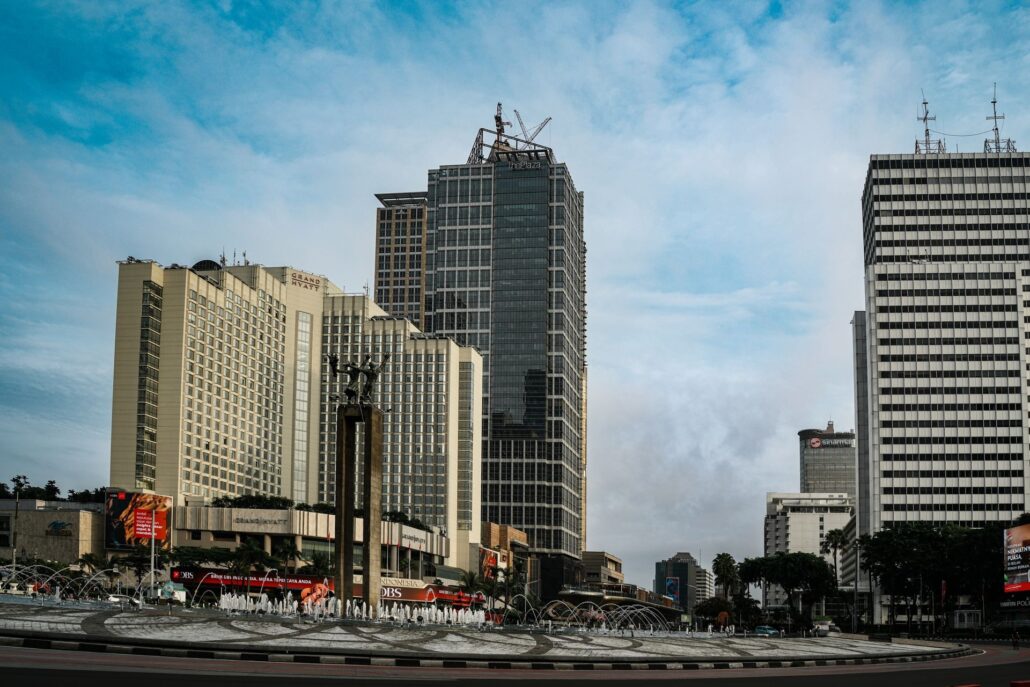
A Shared Vision for Climate-Resilient ASEAN Cities
The path forward presents a massive opportunity for Southeast Asia’s major urban hubs to champion ecosystems where public authorities and private smart city pioneers co-create the urban spaces of tomorrow. By fostering deep cross-sector collaborations among municipal leaders, digital economy agencies, and smart building innovators, these hubs can position their metropolitan areas as global blueprints for dynamic, human-centric climate adaptation.
Integrating intelligent building systems with macroscopic city data platforms transforms individual skyscrapers and transit hubs into active protectors of public safety and economic stability. If we unite municipal governance with cutting-edge private sector simulation tools, we unlock the collective capacity to build urban environments that do not merely endure climate chaos, but intelligently evolve to outsmart the storm.

Felix Tan, Chief Executive Officer, Nuvola Media
Felix brings over three decades of experience at the intersection of technology, telecommunications, and AI, with deep roots across the Asia Pacific region. His career has spanned government, enterprise, and military sectors, giving him a rare vantage point on how cities and institutions actually operate, and where intelligent technology can move the needle.
Before founding Nuvola, Felix led the Asia Pacific business for a European telecommunications company, overseeing operations across 13 countries. That scale demanded more than technical know-how; it required cultural fluency, long-term relationship building, and an instinct for what works market by market. Earlier in his career, he cut his teeth in Hong Kong, mainland China, and New York, where he worked at Citibank – an international grounding that continues to shape how he leads.
Today, Felix is focused on a single mission: helping governments and enterprises design and deploy AI solutions that deliver measurable, real-world impact. Nuvola is the culmination of that work, built on the belief that the cities of tomorrow need intelligence infrastructure that is bold, practical, and built to last.