
By Garvan Barry, Regional Director, North Asia, Linesight
In the global race to build smarter, faster, and greener, a new constraint is quietly reshaping the construction landscape: Power availability. While construction challenges often focus on material costs, labour shortages, or supply chain disruptions, Linesight’s Construction Market Insights report draws attention to a less visible but increasingly critical issue of energy constraints, which is becoming a defining risk factor for construction projects across Asia-Pacific.
A New Kind of Delay
From hyperscale data centres in Singapore to green hydrogen plants in Australia, the demand for reliable, high-capacity power is surging. But the infrastructure to support this demand is struggling to keep pace. Developers are encountering delays not because of design flaws or procurement issues, but because grids simply can’t deliver the power they need, when and where they need it.
The supply, quality and status of grid and utility connections can have an impact on critical programme timelines. In many cases, projects that are ready to break ground or even begin operations are facing delays due to utility connections or grid upgrades. This can be particularly problematic in energy intensive sectors such as:
- Data centres requiring rapid deployment and uncompromising uptime. The growing demands of AI, high-performance computing, hyperscale cloud, and colocation are driving the need for robust redundancy, advanced cooling systems, reliable backup power, and extensive storage capacity.
- Semiconductor and EV manufacturing, which require stable, high-load power for operations such as clean room air filtration and conditioning, high powered tools and miniaturisation/reduction of node sizes.
- Battery and EV production, which require energy intensive operations such as cell formation and clean and dry room requirements.
- Bio-pharma manufacturing where precision manufacturing and uninterrupted power are critical for vaccine and drug production
Realities on the Ground
The nature of the challenge varies by country, but the disruptive impact is felt equally. As emerging APAC countries such as India, Vietnam, and the Philippines experience rapid industrial growth, capacity constraints across their grid networks often arise. Even in advanced economies, grid strain and aging assets are also growing risks.
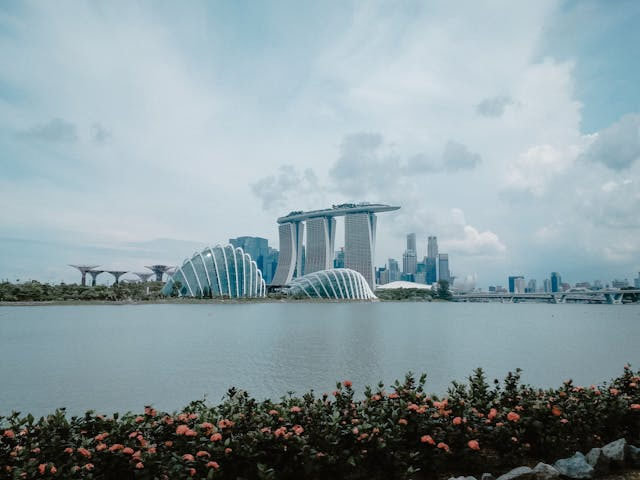
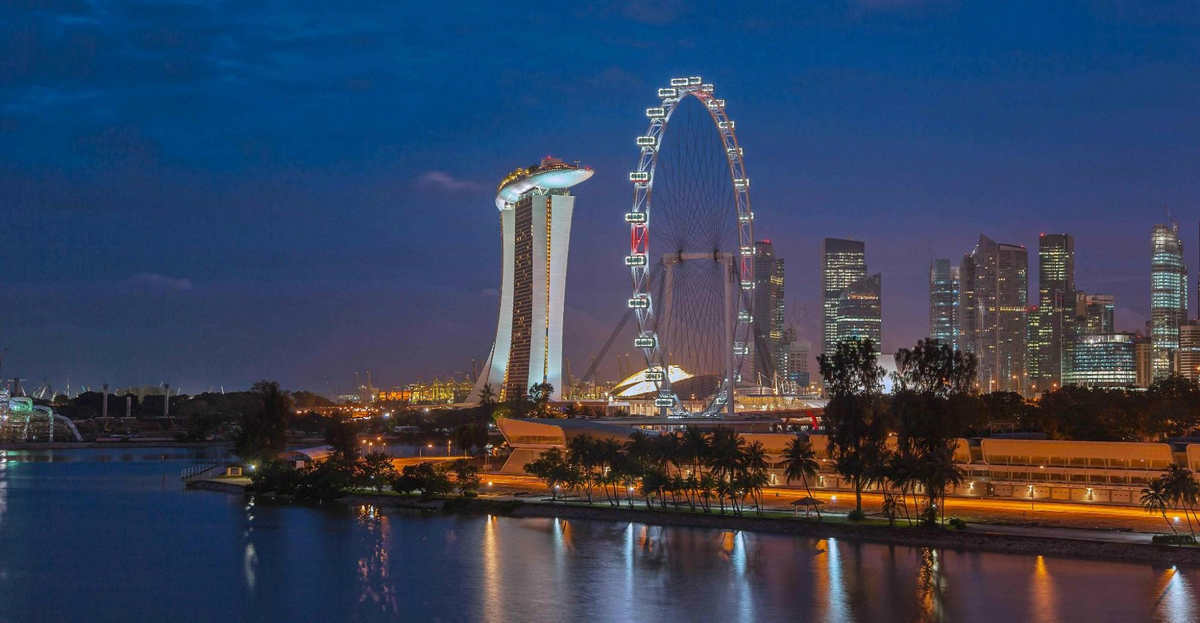
Take Singapore for example, with significant portions of its electricity network built between the 1980s and 2000s, design and planning upgrades are necessary to meet evolving energy needs1, 2. Similarly, Australia relies on aging thermal power plants, with over half of them at over 40 years old causing grid instability and sharp price increases, particularly during peak summer demand2.
Tangentially, Taiwan faces a growing risk of grid strain as it relies heavily on the Hsingta power plant due to its isolated grid, creating vulnerabilities owing to unidirectional power flow. Against this backdrop, governments are under more pressure to accelerate grid modernisation, streamline regulatory approvals, and incentivise private investment in energy infrastructure.
The Developer’s Dilemma and Strategic Implications
For developers, this creates a new layer of complexity. Power is no longer a background utility – it’s a strategic variable that must be addressed from the earliest stages of project planning. The shift in the role of power has broader implications for how construction is financed, scheduled, and delivered. The traditional assumption that grid access will be available on demand is no longer valid and developers will need to be cognisant of balancing and addressing various considerations.
When assessing power source feasibility for site selection, key considerations to be factored include the energy mix and power generation landscape of the country, grid availability, capacity and reliability, as well as proximity to substations and transmission lines to reduce infrastructure costs. Power availability is also influencing cost structures, as temporary power solutions and energy security measures may add to capital expenditure.
Sustainability goals are increasingly becoming a non-negotiable today and access to renewable energy – via Power Purchase Agreements (PPAs) or green tariffs – is crucial for meeting these sustainability goals, alongside evaluating energy costs, carbon intensity and regulatory conditions. It’s also important to consider alternative backup power options, scalability of infrastructure and utility lead times, to ensure timely and efficient deployment.
Addressing Energy Constraints through Renewables
The APAC region is leaning into the shift toward renewable energy, aiming to triple renewable capacity by 2030, and is currently the only region on-track in this regard. Despite Asia being home to 83 percent of the world’s coal power, significant investments are being made in expanding renewable capacity, while simultaneously upgrading transmission lines3.
Non-fossil fuel sources now make up half of India’s power generation of 484.8GW, five years ahead of its Paris Agreement target4. Singapore is targeting 8.1 GW of clean energy imports by 2035,5 and South Korea and Japan are making major investments in offshore wind and hydrogen as part of their decarbonisation strategies.
Looking Ahead
As the construction sector continues to evolve in response to digitalisation, decarbonisation, and demographic shifts, energy resilience is emerging as a competitive differentiator. Projects that can secure reliable, sustainable power will move faster, operate more efficiently, and deliver greater long-term value. In this new reality, power is not just a utility-it’s a strategic asset. And for developers, planners, and policymakers alike, closing the energy gap is no longer optional, it’s essential.
References:
1. Climate Council – Lights Out: Ageing Coal and Summer Blackouts, 22 January 2025
2. S’pore plans to upgrade electricity grid amid rising energy demand, increasing use of renewables, Straits Times, Updated 22 November 2024
3. Global Electricity Review 2024, Ember, May 2024
4. Times of India, 16 July 2025
5. Regional grids key to Singapore’s energy future, Ember, 30 April 2024