By Avtandil Mekudishvili, Regional Spokesperson, APAC at PlanRadar
In discussions about building safety, fire protection is often associated with completed structures: offices, homes and commercial spaces that are already occupied. Regulations, inspections and certifications tend to focus on the moment a project is handed over.
Yet one of the most dangerous periods for fire risk occurs much earlier. During construction and renovation, the conditions that normally protect occupants are frequently disrupted. Fire detection systems may be temporarily disabled. Escape routes can become obstructed by equipment or materials. In dense urban environments like Singapore, where refurbishment and upgrading works take place constantly, these changing conditions create risk that is often difficult to manage. Yet fire safety during these phases is too often treated as a box-ticking exercise focused on regulatory compliance, rather than a dynamic risk that requires constant management.

Singapore’s fire safety framework is among the most rigorous in the region, supported by regulations such as the Singapore Civil Defence Force (SCDF) Fire Code and regular enforcement checks. But incidents still occur. In 2025 alone, the SCDF responded to 2,050 fires nationwide, with fires at residential and non-residential premises rising by 8.6% and 13.5 percent respectively.
The recent Wong Fuk Court fire in Hong Kong is a reminder of how quickly fire risk can escalate when buildings are undergoing renovation or construction. Early findings from the investigation point to how disruption to normal building systems, combined with inadequate oversight, can turn routine works into deadly scenarios. These cases are reminders that fire safety cannot be treated as something that begins only once a building is completed. It must be actively managed throughout the entire project lifecycle. As construction projects become more complex and fast-paced, this is also where digital technology can play an increasingly important role.
Fire Safety Must be Treated as a Lifecycle Responsibility
Traditionally, fire safety has been most rigorously enforced at the point of building completion and occupancy. Fire certificates, inspections, and approvals tend to cluster around handover milestones. While these checks are essential, they overlook a crucial reality: some of the highest fire risks occur long before a building is officially occupied. Fire safety must be integrated from the earliest planning and design stages through construction, renovation, handover, and ongoing operations.
Decisions made at the design stage, such as the layout of escape routes, compartmentation strategies, and selection of fire-resistant materials, set the foundation for a safer building. Poor design choices are difficult and costly to correct later, and their consequences often only become visible under stress. Fire safety cannot be something we “return to” once construction dust settles. It must be actively managed throughout the entire project lifecycle.
What a Comprehensive Fire Safety Plan Really Involves
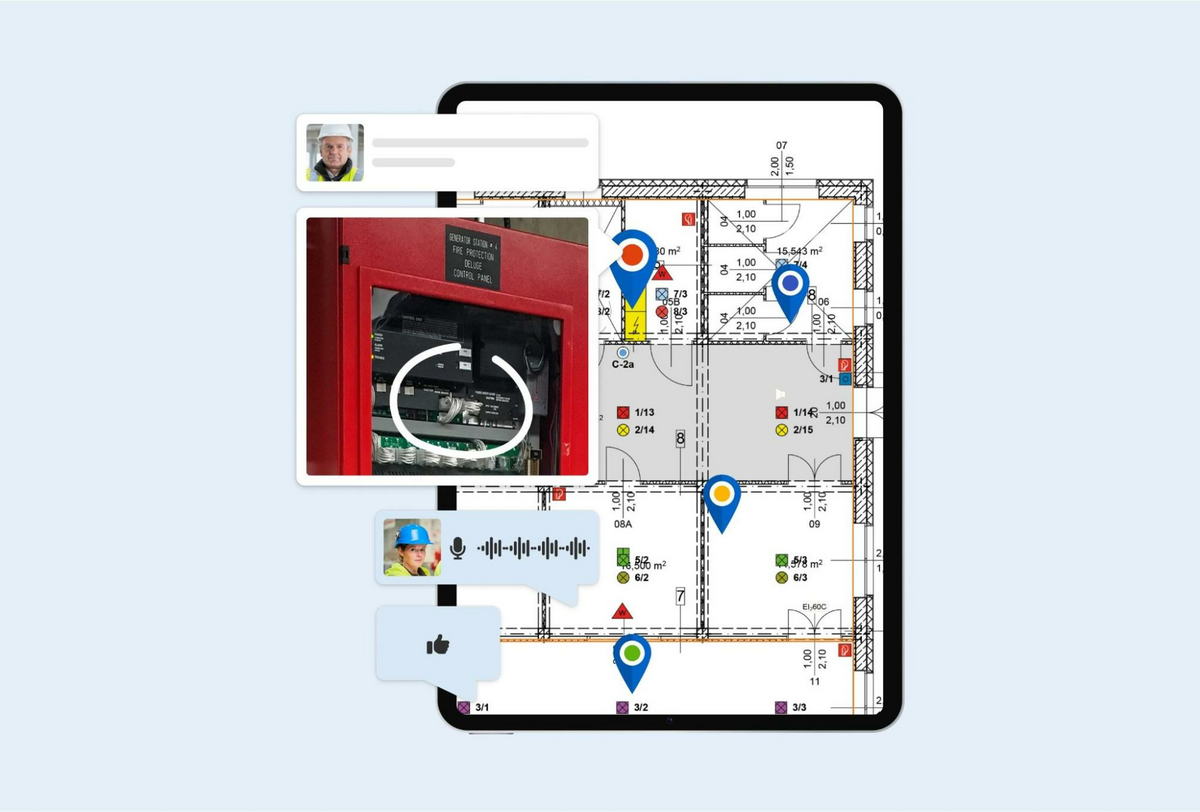
A robust fire safety management plan is not a single document filed away for compliance. It is a living framework that evolves with the project. At its core, it should encompass several interlinked components:
- It begins with site analysis and hazard identification, establishing a clear baseline understanding of fire risks before work commences. This includes identifying ignition sources, combustible materials, and vulnerabilities unique to the site.
- Detection and alarm systems must remain functional and reliable, even during temporary work. When permanent systems are disrupted, suitable interim measures should be clearly defined and monitored.
- Emergency exit planning is critical. Escape routes must remain clear, well-signposted, and unobstructed, a challenge on busy sites where layouts change frequently. Temporary alterations should be documented and communicated immediately.
- Effective suppression systems and firefighting resources, from sprinklers to extinguishers and access routes for emergency responders, must be appropriate to the evolving risk profile of the site.
- People, not just systems, matter. Training and drills ensure that workers, contractors, and site managers know how to respond under pressure. This includes understanding alarm signals, evacuation procedures, and individual responsibilities.
- Clear communication protocols are essential, defining leadership roles and enabling real-time alerts when conditions change. Fire safety fails when information is siloed or delayed.
- The safe handling and storage of hazardous materials, particularly flammables used in construction and renovation, requires strict controls and constant oversight.
- Ongoing maintenance and inspections ensure that all fire safety measures remain reliable. Systems that are installed but not tested or serviced offer false reassurance.
- Inclusive evacuation plans for people with special needs demonstrate a genuine commitment to safety, ensuring no one is left behind during emergencies.
- Continuous improvement and review closes the loop. Lessons from near-misses and incidents must feed back into updated plans, rather than being forgotten once work resumes.
The Case for Digital Fire Safety Management
The construction industry already has well-established fire safety standards and regulations, including Singapore’s Fire Code requirements governing building design, evacuation planning and fire protection systems. However, the challenge often lies in how these standards are implemented on the ground.
Many project teams still rely on paper-based inspections, fragmented documentation and manual reporting processes. Information about hazards may be scattered across emails, spreadsheets and physical checklists, making it difficult to maintain a clear and up-to-date picture of site conditions.
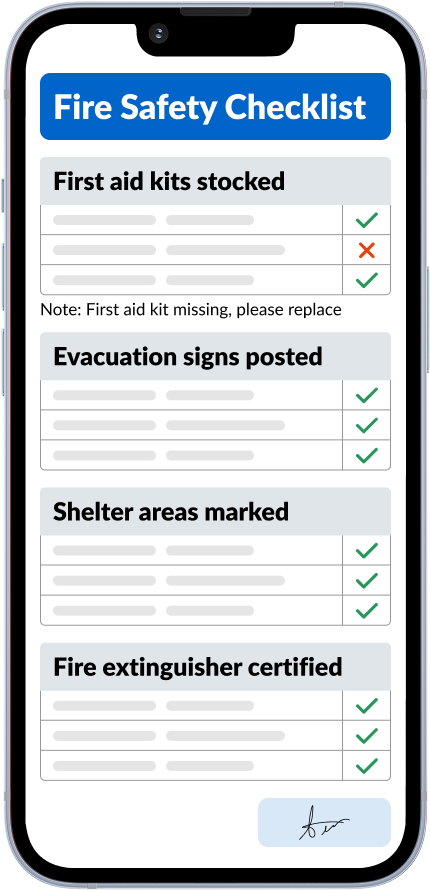
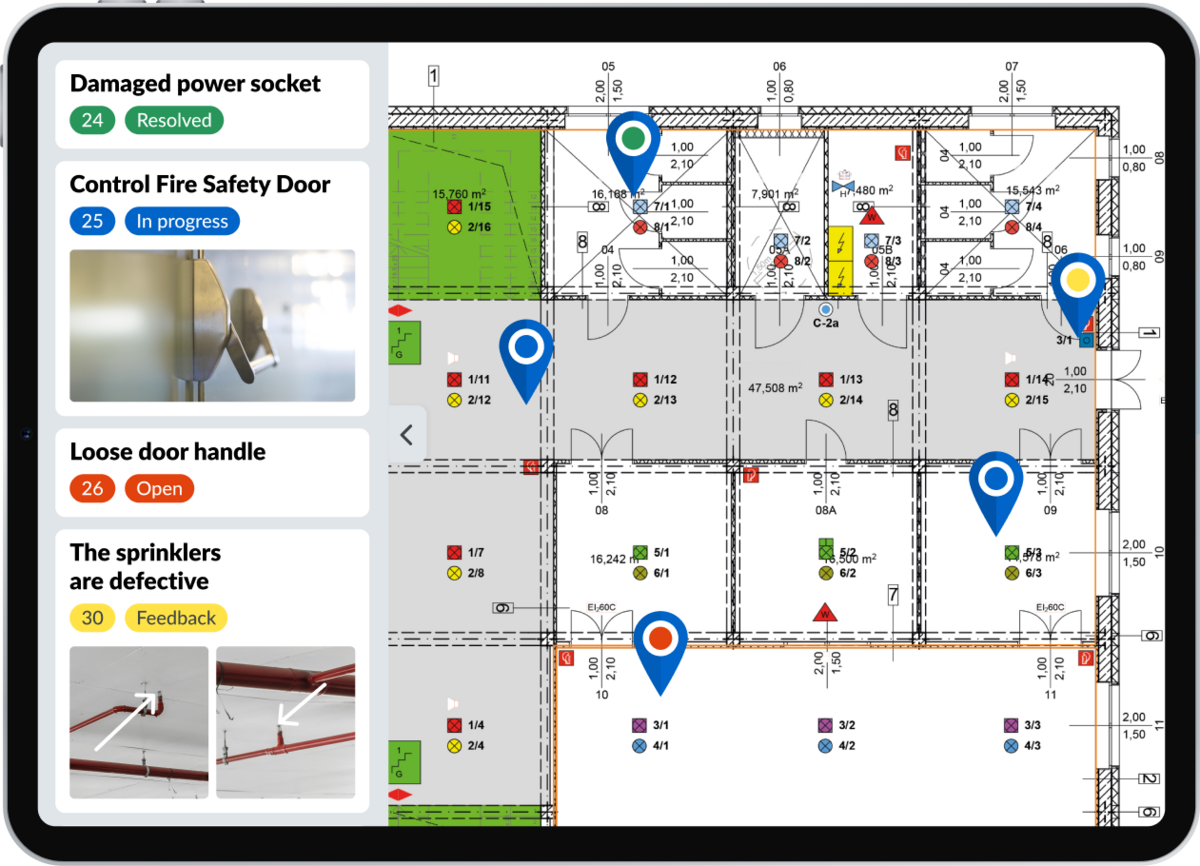
This is where digital fire safety management becomes essential. Digital platforms can transform fire safety from a static compliance exercise into an active and transparent process. By centralising all fire safety documentation – plans, permits, inspection records, and incident reports – digital tools ensure that everyone is working from a single source of truth.
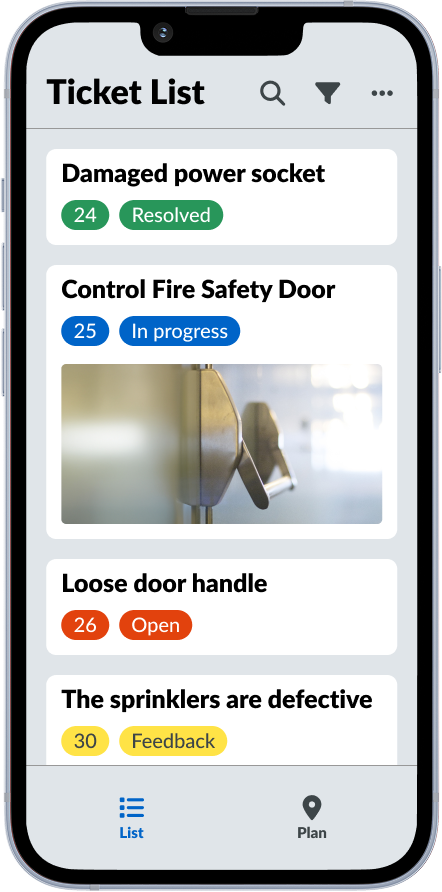
Real-time insights allow stakeholders to see emerging risks as they develop. Issues can be logged on-site, assigned instantly, and tracked through to resolution, reducing delays and ambiguity. Replacing paper-based checklists with searchable, auditable digital trails improves accountability. It becomes easier to demonstrate compliance, identify patterns, and learn from recurring issues.
Critically, digital fire safety management supports ongoing maintenance and inspection schedules well beyond initial approvals. Alarms, sprinklers, and emergency lighting can be monitored systematically throughout construction, renovation, and operation, and not just at handover.
In high-risk phases like refurbishment, where conditions change daily, this level of visibility and coordination can mean the difference between early intervention and irreversible tragedy. This level of transparency also helps ensure that hazards are addressed more quickly and that accountability is clearly defined.
Strengthening Fire Safety in Singapore’s Built Environment
Singapore has long been recognised for its strong regulatory framework in the built environment supported by close collaboration between agencies like the SCDF and the Building Construction Authority (BCA). Regulators should consider mandating greater digital visibility for fire safety in renovation permits and contractor oversight, ensuring that risks are actively monitored rather than retrospectively reviewed.
Developers and builders must move beyond static checklists and adopt fire safety plans as living documents – continuously updated, reviewed, and shared across project teams. Engineers and site managers should demand real-time tools that enable proactive risk tracking and faster issue resolution, empowering them to act before small lapses escalate.
Turning Lessons Into Long-term Improvements
Tragedies like the Wong Fuk Court fire are warnings about complacency, fragmentation, and the dangers of treating fire safety as an afterthought. For cities like Singapore where urban density and continuous redevelopment are part of everyday life, ensuring strong fire safety management throughout the entire building lifecycle is essential.
For meaningful change to emerge, it must go beyond tightening individual rules and requires a shift in mindset: Recognising that fire risk evolves across the building lifecycle, and that managing it demands better tools and better processes. Singapore is well positioned to lead by example. By embracing lifecycle-wide fire safety strategies powered by digital management, it can set a benchmark for safer, smarter cities across the region and ensure that the lessons of past tragedies are translated into lasting protection for the future.

About Avtandil Mekudishvili
Avtandil Mekudishvili is Regional Spokesperson, APAC at PlanRadar, bringing extensive expertise in construction, oil & gas, energy and tech industries garnered over a span of more than 7 years.
Avtandil brings a solid engineering background and experience in streamlining implementation processes and workflow efficiencies within the built environment sector. At PlanRadar, he plays a key role in market expansion and business development throughout the region.
In this capacity, Avtandil also works on supporting clients through their digital transformation journey. His industry knowledge and strategic approach assist organisations in improving their operational efficiency. He has collaborated with diverse clients across various industry verticals, delivering tailored solutions that meet the evolving needs of the built environment sector.