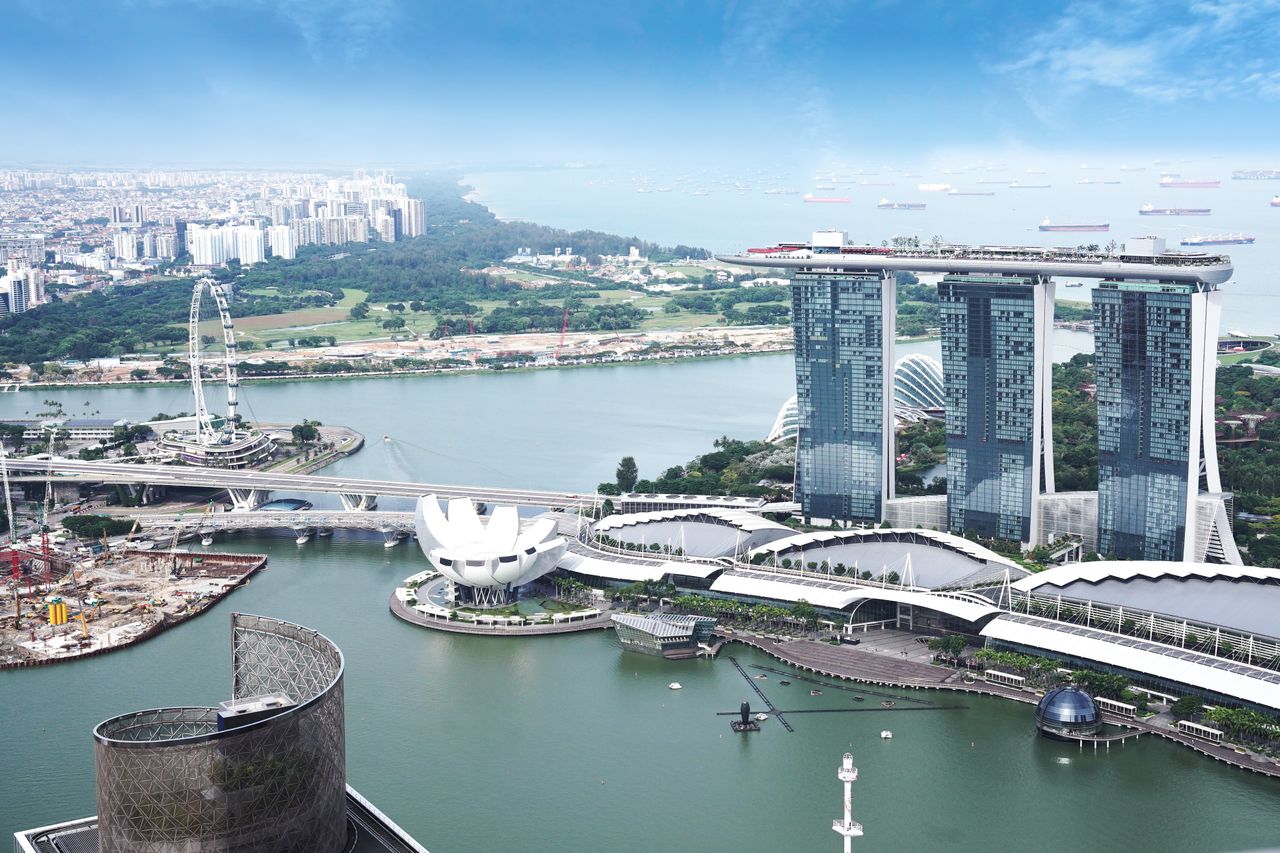
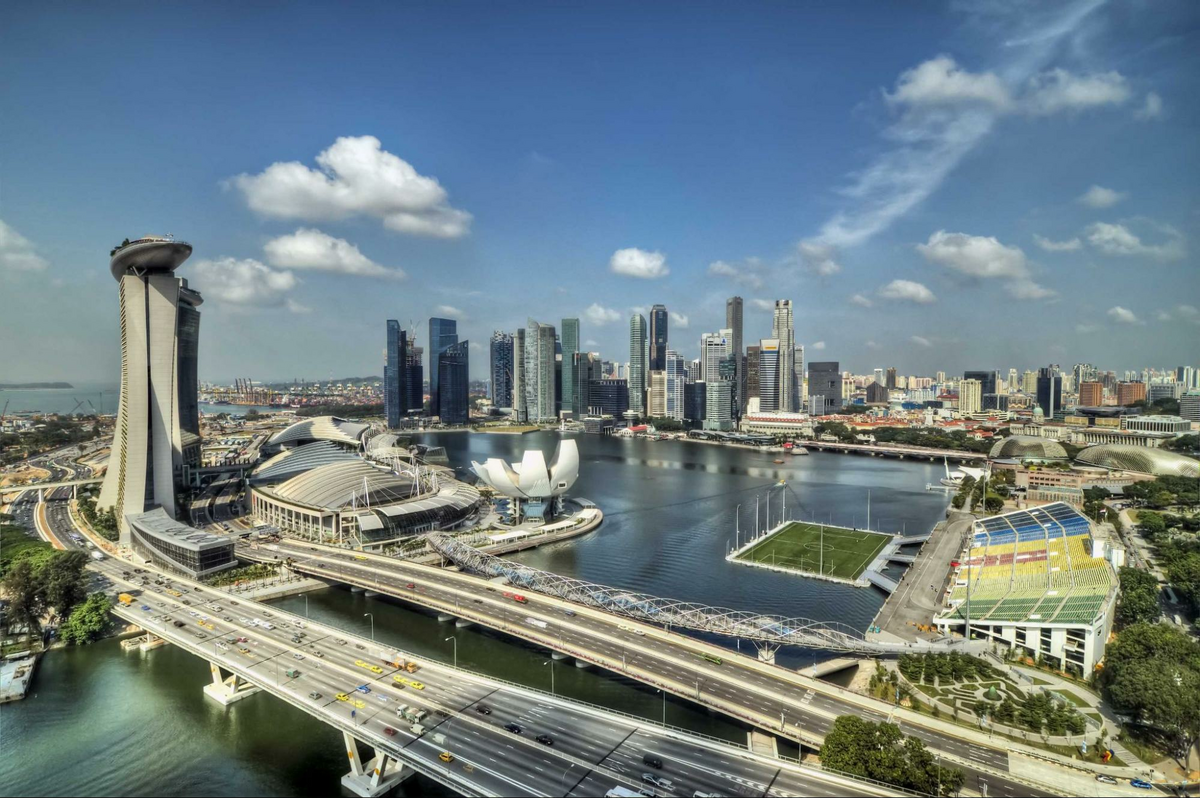
Singapore has been ranked 8th globally in the SAVILLS 2026 Resilient Cities Index, down from 6th place in 2024. The decline was largely due to a moderation in net migration, following a period of strong migration inflows.
Singapore continues to rank strongly overall, placing third in Asia Pacific after Tokyo and Seoul, supported by steady economic growth, a competitive knowledge economy and continued investor interest in its real estate market.
Alan Cheong, Executive Director, Research & Consultancy, SAVILLS Singapore, commented: “Singapore’s reputation as a safe haven has contributed significantly to her strong ranking position as a resilient city. With wars and unpredictable trade policies, her ranking should continue to hold up in 2026 or even improve.”
New York, Tokyo, London and Seoul continue to be the world’s most resilient cities, while San Francisco has moved up to 5th from 8th place. Locations in southern Europe and parts of the US are swiftly progressing up the rankings, highlighting how more mid-sized cities are able to pivot and adjust quickly to macro trends.
Cities in Spain, Italy, Portugal and Greece have together, on average, risen by 36 places since 2024. Spain’s main cities have moved up most dramatically – Madrid now ranks 34th (2024: 77th) and Barcelona 47th (2024: 85th), supported by Spain’s economic strength, including record tourism, a shift to a higher-value-service economy, and unemployment below EU averages, as well as these cities’ strong student populations, retail and tourism markets.
North American cities are also moving swiftly up the table, with US cities rising seven places on average compared to 2024, mainly based on their economic outperformance and recovery in commercial transaction volumes. San Francisco is now 5th (2024: 8th), Dallas 12th (2024: 15th), Houston 15th (2024: 22nd), Miami 17th (2024: 23rd), Seattle 20th (2024: 29th), and Phoenix 22nd (2024: 39th).
Paul Tostevin, Head of SAVILLS World Research, said: “While there is little movement right at the top of our Index, as the big powerhouse cities sustain growth, benefit from agglomeration effects, and adapt their built environment for modern business needs, further down we see some interesting trends. Some mid-tier cities have been able to quickly adapt to environmental, tech and economic change and build on more niche strengths or skills specialisms to deliver solid improvement and greater growth, and are therefore swiftly heading up the charts. For real estate investors, the Index determines cities where investments will be secure and future growth potential exists. For business, it represents markets where demand for goods and services will be resilient and the employee base robust.”